
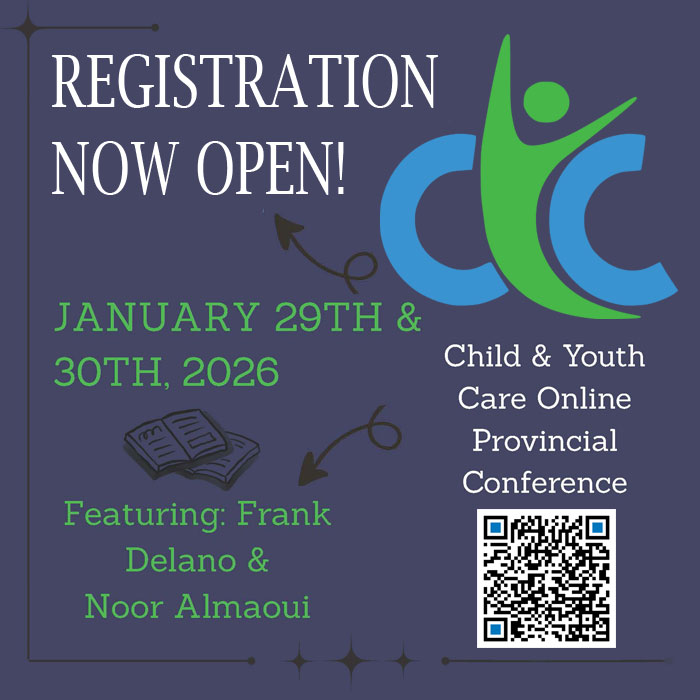
2026 CYCAA Virtual Provincial Conference
If I Could Supervise My Supervisor:
Getting the Most from Your Own Supervision
Presented by: Frank Delano and Noor Almaoui
This highly interactive workshop will present a series of strategies for highly motivated people to assess their role in the supervisory relationship and to develop proactive strategies to better “own their own supervision”. Very often people are not satisfied with their supervisory relationship and stay in a frustrated mode and do not work to own their half of the relationship. They will lose many opportunities for professional growth and end up providing less quality of service. Other times people are happy with their supervisory relationship but don’t proactively strategize how to get even more out of supervision. This workshop is open to individual supervisees or supervisors, and ideally “brave” supervisors and supervisees will attend together and strategize ways to grow together professionally.
Managing Change in Changing Times
Presented by: Frank Delano and Noor Almaoui
We are living in a time of exceptional upheaval and change in our society. It is more important than ever to develop skills and strategies to manage change in a safe and productive way. There is much that can be learned from change and many opportunities to move your program and your career forward. This highly interactive workshop will look at the many dynamics of change and help participants build a repertoire of skills and strategies to be proactive in managing change, and learn from the process to move themselves and their program/organization forward.
Leading for Longevity:
What Keeps Direct Care Practitioners in Child and Youth Care
Presented by: Dr. Michelle Briegel
Direct care practitioners are the backbone of Alberta’s child and youth care sector, yet turnover, burnout, and system pressures continue to destabilize care environments. Drawing from a multi-year research study on retention in residential and community programs, this session examines how relational leadership can strengthen practitioner stability, engagement, and overall well-being.
Participants will explore the Relational Retention Framework — Belonging, Support, Growth, and Recognition — and consider how each pillar shapes the daily experiences of direct care practitioners. Through stories, evidence, and reflective prompts, this session reframes retention not as a staffing issue but as a relational responsibility shared across teams, supervisors, and organizations. Attendees will leave with concrete strategies to sustain Alberta’s direct care workforce and elevate the quality of care for young people.
By the end of the session, participants will be able to:
- Identify the key relational and organizational factors that contribute to direct care practitioner retention.
- Apply the four pillars of the Relational Retention Framework to their own teams or agencies.
- Recognize how leadership behaviours directly influence practitioner wellness, engagement, and commitment.
- Reflect on ways to strengthen belonging, recognition, and growth opportunities within their workplace.
- Consider how relational leadership practices can mitigate burnout and enhance practice quality across Alberta’s care system.
Authentic Selfcare and Personal Empowerment
Pouring from an Abundant Cup
Presented by: Lisa Leverton
I have a true passion for supporting others in this field. I have spent 20 years committed to working in the Child and Youthcare field and I believe in what we are doing. Mostly, I believe in the people who are doing it! Those who are devoted to making others lives better. I want to empower individuals who are passionate about supporting, caring for, and pouring into others to be able to pour into themselves as well. Those who have a desire to focus on their own needs and wellness but are afraid that this might mean that they are being selfish or they must sacrifice their place in the important relationships in their life to do so.
I know how I have struggled in the past to find my own personal worth in a field where so much of our energy is poured out into others. I feel that I have spent much of my career learning how to create that balance. I don’t want other professionals to have to travel the same difficult path I have. I’d love to give my colleagues an opportunity to utilize tools to discover their own worth both personally and professionally so that they can avoid issues that often lead burnout in this field.
I would be honoured to have the opportunity to support others connected to the CYCAA by facilitating a session on Authentic selfcare and Personal empowerment in respect to the helping field in a way that is a win for everyone.
Throughout my presentation, we are going to talk about the reasons we are so passionate about working in this field. The realities of working in this field, some strategies of how we can ensure that we are pouring into ourselves in a meaningful way that not only supports our work but guides our practice. The realities of the residual trauma we can endure from supporting clients and how we can be most supportive to ourselves, so we are confident that we are always pouring from an abundant cup.
I appreciate that in this field there has always been a focus on selfcare and staff wellness. It truly is such an important component of our work and our ability to support each other and the clients we serve.
My personal focus is always about how we put this into practice and empower ourselves to allow us to be our first client. Through experiential learning, using various tools I’ve created, I wish to evoke a sense of mission for all who attend to ensure that in this field we are always structuring our priorities strategically. More so, in such a way that we can support and lead our lives first and in return, be the best for the clients we support and serve.
Real Talk, Real Change:
Building Inclusive Work Environments in CYCC
Presented by: Alisha Bagshaw and Emma DeCecco
This interactive workshop presents findings from a research study on the experiences of Child and Youth Care Counsellors (CYCCs) with disabilities who require, or would benefit from, accessibility accommodations in their workplaces. While there has been progress in advocating for inclusive and accessible environments, a significant gap remains in the implementation of these practices, particularly within helping professions. Notably, no previous research has specifically explored the experiences of CYCCs with disabilities in these settings.
Using a qualitative approach, the study involved semi-structured interviews with CYCCs who self-identify as having a disability and expressed a need for or benefit from accommodations. The findings offer important insights into the barriers they encounter and how they navigate accessibility challenges in their professional roles.
De-stigmatizing disability in the workplace begins with open, honest conversations that acknowledge and directly address these challenges. Through real-world case scenarios, interactive discussions, and collaborative problem-solving, participants will explore practical strategies for creating more inclusive and supportive workplace cultures.
Grounded in the human rights model of disability, which frames accommodations as a basic right rather than a privilege, this workshop introduces innovative approaches and best practices for advancing accessibility. Participants will engage in experiential activities that support the development of inclusive policies and practices. These approaches not only improve staff well-being and professional efficacy but also enhance the quality of care provided to children, youth, and families.
Aligned with the conference’s focus on experiential and activity-based CYC practice, the session will include hands-on exercises that encourage participants to identify and address common accessibility challenges. These discussions will promote anti-oppressive practices and empower professionals to advocate for the accommodations they need.
Participants will leave the workshop with practical tools and actionable strategies to support more inclusive workplaces, strengthening their effectiveness in working with both colleagues and clients.
Experiential Learning as Critical Pedagogy:
Unsettling CYCC Classrooms
Presented by: Jill Thompson
In this workshop, I will share the ways I have intentionally worked to unsettle the Child and Youth Care Counsellor (CYCC) classroom by integrating experiential and anti-oppressive practices that challenge traditional post-secondary norms. Drawing from my experiences as an educator, I will explore how tools like simulation, role-play, exit tickets, embodied learning, and ungrading have helped reimagine how CYCC students engage with content and prepare them for the field. These practices aim not only to support deeper learning but also to create space for curiosity, discomfort, and relational practice.
Together, we will reflect on what it means to unsettle educational spaces while holding CYCC values at the center. I will share examples of what has worked well and what remains a work in progress, including the tensions and risks involved in shifting power, disrupting grading systems, and making room for experiential discomfort.
Because this is an experiential workshop, participants will also be asked to engage in selected activities that mirror the approaches used in my classroom. These will include short reflective practices, small group conversations, and opportunities to think critically about how we, as educators and practitioners, co-create learning environments that align with the values of CYCC. I also welcome all your amazing learning experiences and look forward to hearing how we can unsettle the classroom together.
‘Whoa, What Just Happened?’
Cultivating Awe in Child and Youth Care Practice
Presented by: Chelan McCallion and Dr. Pat Kostouros
Being awestruck is a profound emotional experience – one that can shift our sense of self, connect us to something greater, and anchor us in the present moment. Awe is not only a transcendent emotion; it is also deeply human. For Child and Youth Care (CYC) practitioners, learning to recognize and cultivate awe carries meaningful implications for mental health, relational practice, and for counterbalancing over-scheduled, trauma-saturated systems. In doing so, awe can create empowering moments – offering space to slow down, engage, reflect, and simply be in the moment.
Participants will be invited to consider how awe, can be integrated into everyday CYC settings to nurture hope, belonging, and resilience. Through interactive activities, storytelling, discussion, and reflection, we will uncover how awe can be a relational experience and serve as a low-barrier, high- impact intervention that is inclusive, trauma-informed, decolonizing, and emotionally restorative for both practitioners and the young people they support.
Whoa, what are you signing up for?
- Reflect on personal and professional moments of being awestruck
- Uncover how awe impacts the nervous system and supports well-being
- Explore the role of awe role in emotional regulation and prosocial behaviour
- Discover how savouring can deepen and prolong awe experiences
- Examine the concept of moral beauty in our CYC landscape
- Learn simple, creative ways to invite awe into daily practice
- Uncover the benefits of awe for both practitioners and young people
- Identify opportunities to co-create awe in CYC life-spaces
Awe lives in the ordinary. When we slow down enough to notice it, we create space for connection and transformation in ourselves and in those we walk beside. Awe isn’t something we wait for – it’s something we can make room for. And when we do, we will not only change how we practice, but how we see the world.
Push to Heal
Presented by: Joel Pippus
The children and youth that so many of us work with in the field of Child and Youth Care often have histories of trauma and marginalization. They come to us with underdeveloped social skills and have had few opportunities to participate in rewarding recreational activities. Skateboarding provides a unique and alternative approach to emotional regulation, education, development, and healing. This presentation will outline the story of Push To Heal from inception up until now. Through a mixture of storytelling, research, and short films, skateboarding will be highlighted as a tool for regulation, connection, and healing. We will also reflect on what we can learn from the story of Push To Heal and how some of the principles of the initiative can be applied more broadly in our work with the high needs children and youth that we all serve.
Meet our Presenters
Frank Delano

Frank Delano is currently the President of Professional Package Consulting. He has a long history in Residential Treatment working 25 years in a large residential center in New York as a child care worker, recreation director, Girls Program director, and the last 12 years as a senior manager. He was also Director of the Rita Markus Child Care Training Institute and was an adjunct faculty in the Fordham University MSW Program. He published numerous articles on Supervision and his relational “Money in the Bank” concept. He has presented at numerous conferences including 5 times at the Walker-Trieschman “Finding Better Ways” conference and 5 different CYC World Conferences.
Noor Almaoui

NoorAlmaoui is an Implementation Specialist at Sycamores in Los Angeles. She is a tri-lingual owner of Universal Ethos, Inc providing a variety of mental health and social services for children and adults nationally and internationally, as well as presented at CYC Conferences in the USA, Canada and Ireland.
Dr. Michelle Briegel

Dr. Michelle Briegel is an Associate Professor in the Bachelor of Child Studies – Child and Youth Care Counsellor program at Mount Royal University, a Certified Child and Youth Care Counsellor, and President of the Child and Youth Care Association of Alberta. Her scholarship centers on relational practice, workforce retention, direct care practitioner well-being, and professional regulation within human services. Michelle is deeply committed to strengthening the child and youth care field through research, advocacy, and community engagement. She is actively involved in shaping policy, practice standards, and professional pathways for the child and youth care workforce.
Lisa Leverton

Lisa is a certified Child and Youth Care Counsellor with CYCAA-member since 2004. She has been employed in the Human Services field since 2006 in various settings with a strong focus on Indigenous families, high risk youth, vulnerable children and families as well as other professionals. Lisa’s educational background includes Child and Youth Care at MacEwan University and Foundations of Life Skills Coaching with YWCA Toronto. Delegation Training- Child and Family Services, Equine Therapy- Healing Hooves and Dual Certification in Lifecoaching from Atmana Academy. Throughout her career in Human Services, Lisa works from a strength-based and solution-focused framework and incorporates resiliency development and attachment theory into all aspects of her work with clients.
Lisa has focused her career thus far on supporting children, youth and families through a variety of challenges. As she has gained experience in this field, she has discovered my true passion of supporting other professionals. As a result, Lisa studied and obtained dual certification in Lifecoaching and began her own supportive practice. Through her work she focuses on supporting professionals and caregivers to learn to pour into themselves while maintaining healthy, healing relationships both personally and professionally.
Alisha Bagshaw

Alisha Bagshaw is a fourth-year Bachelor of Child Studies student at Mount Royal University, majoring in Child and Youth Care Counselling (CYCC). She has gained hands-on experience across a variety of CYCC settings, including a domestic violence shelter, addiction treatment program, and second-stage housing. These roles have deepened her understanding of trauma-informed care and the importance of responsive, compassionate support for vulnerable populations. Alisha lives with several invisible disabilities, which inform both her academic work and her professional practice. Her lived experience fuels her passion for advocacy, particularly in promoting accessibility, equity, and well-being for both clients and frontline workers in CYCC. Through her research and fieldwork, Alisha is committed to challenging ableism in helping professions and contributing to the creation of more inclusive, supportive workplace environments. She hopes to continue blending personal insight with professional knowledge to push for systemic change that benefits practitioners and the communities they serve.
Emma DeCecco

Emma DeCecco has recently completed her undergraduate degree in Child and Youth Care Counselling at Mount Royal University. For the past three years, she has worked in a residential facility for youth experiencing homelessness with criminal justice affiliations. Her role as a caseworker in this facility has emboldened her passion for advocacy when it comes to individuals marginalized based on social location as it relates to sexuality and gender, race, physical and mental capabilities, criminal history and housing status. Emma has lived experience with disabilities after being diagnosed with Autism Spectrum Disorder and has worked to find ways to integrate accommodations for individuals with this disability into her schooling and work place. Through her work as a CYCC, Emma aims to challenge traditional notions of neurotypical behaviour and advocate for integration of inclusivity, equity and diversity into CYCC work places.
Jill Thompson
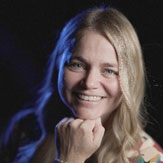
Jill Thompson is an Assistant Professor in the Bachelor of Child Studies – Child and Youth Care Counsellor program at Mount Royal University. Jill is also a registered psychologist focusing on topics related to gender and sexuality and has presented many workshops on these topics. As a queer, neurodiverse human trying to navigate the world of academia, Jill tries to bring both a CYCC and anti-oppressive practice to the classroom.
Chelan McCallion

Chelan McCallion is an Assistant Professor at Mount Royal University with over 17 years of experience in the human services sector. Her work has centered on the transition of young adults from therapeutic campus-based care, with a focus on Youth Transition to Adulthood (YTA) and vocational programming. Her research examines student well-being through the lens of mental health, the influence of indoor green spaces, and shared emotional experiences of awe and collective effervescence. In the classroom, she emphasizes equity and engagement through inclusive teaching practices and alternative forms of assessment.
Dr. Pat Kostouros

Dr. Pat Kostouros is a Full Professor at Mount Royal University. Her research includes gender-based violence, disaster impact on shelters, student wellness and mental health, compassion fatigue, and trauma-sensitive teaching. Before academia Patricia managed a youth shelter, a women’s shelter, and was the Executive Director of a residence for women with a trauma history. She has published both journal articles and books and is a reviewer for numerous Journals.
Joel Pippus

Joel has been employed with Hull Services since 2010. Since then, he has gained a solid foundation of skills for working with children and youth with complex needs and families through involvement with Therapeutic Campus Based Care, Hull School and the Push To Heal project. He is an agency trainer, a fully certified member of the Child and Youth Care Association of Alberta since 2013 and holds Neurosequential Model in Sports certification.
Joel holds two important roles within the Pathways to Prevention program. As a Training & Education Facilitator, Joel is helping to support the implementation of Neurosequential Model (NM) concepts into programs and projects across Hull’s continuum, as well as train community members. As the project lead for Push To Heal, Joel’s focus is on integrating NM concepts into skateboarding in ways that support folks engaged in Hull’s continuum of services, the wider community and international partnerships in the social skate sector.
During his free time, you’ll find Joel skateboarding as much as time will allow and spending time with his wife and four young children.
Our Virtual Schedule
To download a PDF of the schedule, click here!
Individual Registration for Full Two-Day Access
| Student | $50 |
| CYC Provincial Association Member | $75 |
| Non-Member / Out-of-Province | $125 |
Agency / Group Packages
Designed for agencies that want to register multiple staff or stream the conference for professional development.
| Package | Rate | What’s Included |
| Small Agency Pass (up to 5 staff) | $300 | Up to 5 unique logins OR one shared stream license |
| Medium Agency Pass (up to 10 staff) | $550 | Up to 10 unique logins OR shared streaming for a larger staff group |
| Large Agency Pass (unlimited staff) | $1000 | Unlimited staff logins for one agency; ideal for organization-wide PD |
Our CYC Provincial Association Member pricing offers a great discount! To ensure fairness for Child and Youth Care professionals across Canada, we kindly request a quick check of your membership status when selecting this option.
If you live in Alberta and are not a member yet? Join today to enjoy the discount and other great benefits.
Sign up today!
.
Once you click [Submit], you’ll be taken to our payment gateway unless your agency coupon code has been applied.
If your coupon is applied correctly and your total is $0.00, you will not be directed to the payment screen. The system will email your receipt to the address you used during registration.
If you don’t receive your receipt, please check your junk/spam folders.
2026 Virtual Provincial Conference Agency Registration
Upon selecting Submit, you will be redirected to our payment gateway. Your receipt will be emailed to the address used for registration, and our office will contact you soon to gather any remaining information required.